Qualified professionals with 50 years experience Contact Now



Call us on

As the UK's climate continues to evolve, homeowners and businesses are asking whether warmer summers are changing the way their buildings perform. Drawing on more than 140 years of Met Office data, government guidance and practical engineering experience, this guide explores what the evidence tells us about overheating, why some buildings struggle more than others and the practical steps that can improve comfort now and in the years ahead.
Every summer seems to raise the same question: are UK summers really getting hotter, or does each heatwave simply feel more intense than the last? Some people compare the weather with the famous summer of 1976, while others point to a cooler week in August as evidence that nothing has really changed. British weather has always been unpredictable, but climate change is measured over decades rather than individual seasons.
Long-term Met Office records show that the UK has experienced a sustained warming trend. Average temperatures have increased, warm spells are lasting longer and warmer nights are becoming more common. These changes matter because every building is designed around the climate it experiences. As that climate evolves, homes, schools, offices and commercial premises begin to behave differently.
This guide explores what the evidence tells us, why buildings overheat, and the practical measures that can improve comfort before considering where mechanical cooling becomes an appropriate engineering solution.
The UK's weather has always varied from year to year, making individual summers a poor measure of climate. Scientists instead examine long-term records. Maintained since 1884, the Met Office dataset provides one of the world's longest continuous climate records.
Viewed over more than 140 years, the evidence points towards warmer average temperatures, longer warm spells and increasing overnight temperatures. These gradual changes are beginning to influence the way buildings perform during summer.
According to the Met Office:
These changes are closely connected. Higher average temperatures increase the likelihood of prolonged periods of hot weather. Longer heatwaves allow buildings to accumulate more heat, while warmer nights reduce their ability to release it before the following day begins. For people, a heatwave may simply feel uncomfortable. For buildings, several consecutive days of sustained heat can fundamentally change how they perform.
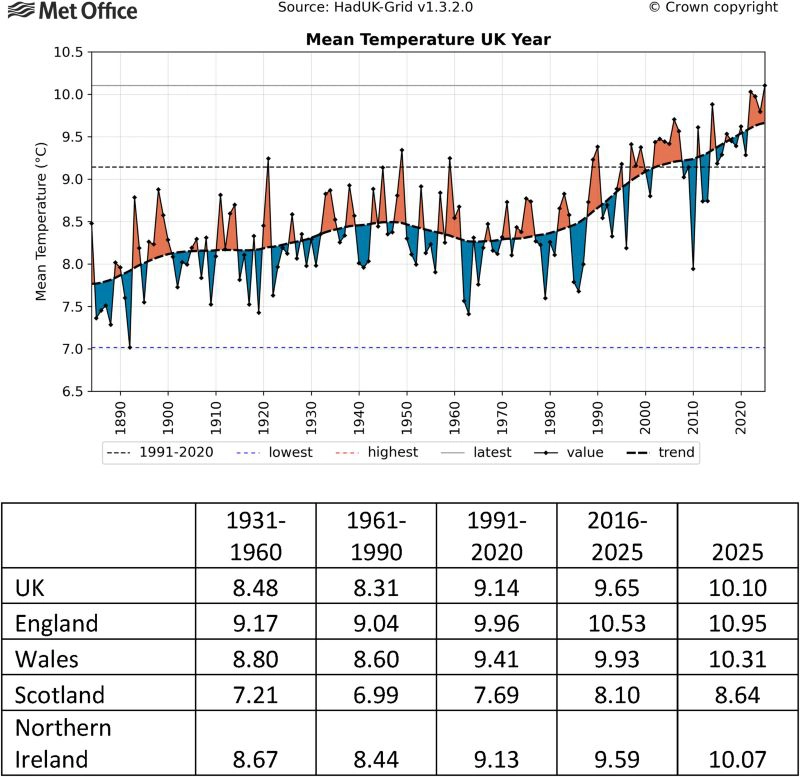
Source: Kendon, M. et al. (2026), State of the UK Climate in 2025, International Journal of Climatology. Licensed under CC BY 4.0.
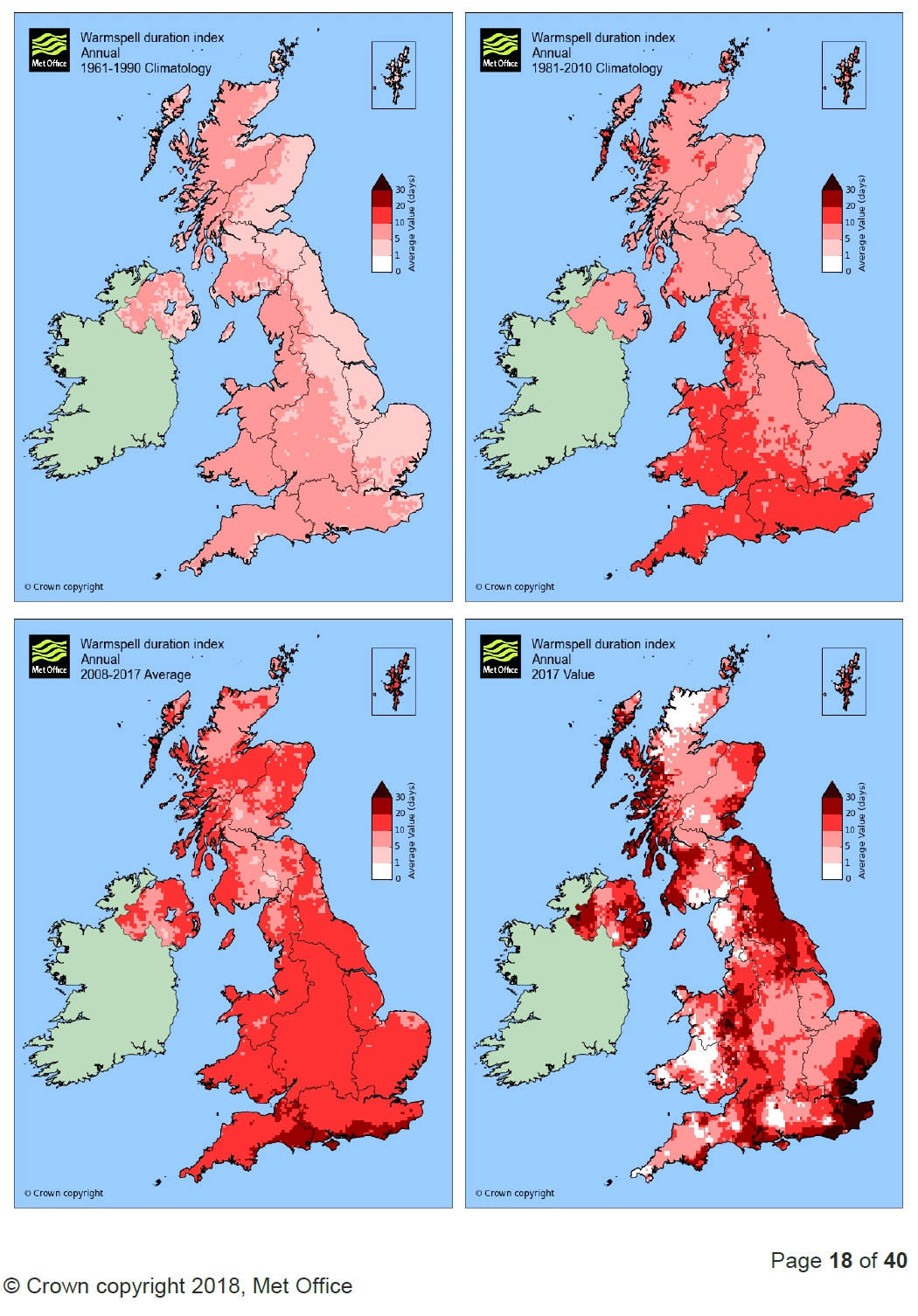
Source: State of the UK Climate 2017: Supplementary Report on Climate Extremes, Met Office, 2018. © Crown Copyright 2018, Met Office. Contains public sector information licensed under the Open Government Licence v3.0.
Shows how average warm spell duration increased from approximately 5.3 days (1961–1990) to more than 13 days (2008–2017).
For building owners, these trends matter more than individual temperature records. Buildings are influenced not just by how hot it becomes on a single afternoon, but by how long elevated temperatures persist. A property that remains exposed to several consecutive days of heat, particularly when nights stay warm, behaves very differently from one experiencing a single isolated hot day.
The changing climate is not simply reflected in national statistics. It is also being experienced locally across Somerset.
During the June 2026 heatwave, Merryfield briefly recorded the UK's highest June temperature, reaching 36.7°C, before the national record was surpassed the following day elsewhere in England. While a single weather event does not define climate change, it provides a local example of the increasingly extreme conditions that can occur as part of the UK's long-term warming trend.
Buildings respond differently to heat than people do. Throughout the day, roofs, walls and glazing absorb solar energy, while occupants, lighting, appliances and electronic equipment add further warmth indoors.
Materials such as brick, stone and concrete also store some of that heat before releasing it gradually. This thermal mass is helpful for much of the year because it smooths out changes in temperature. During a prolonged heatwave, however, it can contribute to overheating.
Historically, cooler nights allowed buildings to release much of the heat accumulated during the day before the following morning. As warm spells last longer and overnight temperatures remain higher, that opportunity is reduced.
The building therefore begins each day slightly warmer than the last. Heat accumulates across successive days, which is why the fourth or fifth day of a heatwave can feel significantly more uncomfortable than the first, even when the daytime temperature is similar.
Across Somerset we've seen increasing enquiries relating to loft conversions, south-facing bedrooms, home offices and commercial buildings that become progressively more difficult to keep comfortable during prolonged periods of hot weather.
Increasingly, these conversations are about planning ahead rather than reacting to a single hot summer.
Although every building experiences the same weather, they rarely respond to it in the same way.
Construction methods, orientation, glazing, insulation, ventilation, occupancy and the way a building is used all influence how heat enters a property, where it is stored and how easily it can escape again. As a result, two neighbouring buildings can experience very different internal temperatures during the same period of hot weather.
Traditional Somerset stone properties provide a good example. Their thick walls often help keep interiors cooler during the hottest part of the day by slowing the transfer of heat. During prolonged warm weather, however, those same walls can gradually store heat and continue releasing it well into the evening, making it more difficult for the building to cool overnight.
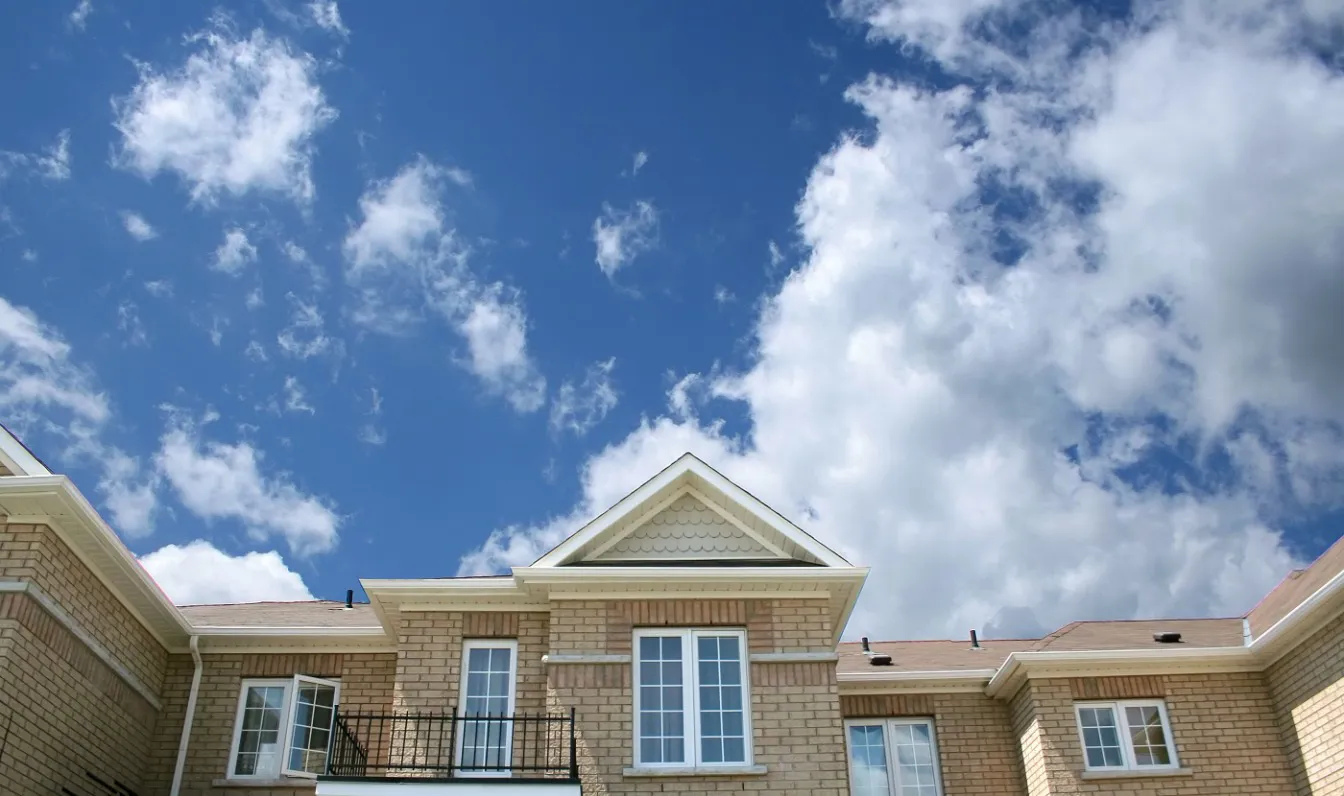
Modern homes can behave differently. Improved insulation and airtight construction have transformed energy efficiency, helping to reduce heat loss during winter and lower heating bills. These remain important benefits. During summer, however, once unwanted heat enters the building through windows or the roof, it can also be retained more effectively, increasing the importance of controlling solar gain and providing adequate ventilation.
Certain rooms are particularly vulnerable to overheating. Loft conversions, for example, sit directly beneath the roof and are exposed to prolonged sunshine throughout the day. Roof windows can increase solar gain further, while limited opportunities for cross-ventilation make it harder for accumulated heat to escape. Similarly, south-facing bedrooms and home offices often experience prolonged afternoon and evening sunshine, making them some of the first spaces where occupants begin to notice discomfort during a heatwave.
Commercial buildings face many of the same challenges, often on a larger scale. Offices, schools, healthcare settings, retail premises and server rooms all generate additional internal heat from lighting, equipment, computers and high occupancy levels. In these environments, maintaining comfortable temperatures is not simply about comfort, it can also support productivity, concentration, equipment performance and occupant wellbeing.
There is no single building type that overheats. Overheating occurs when the design of a building, the way it is used and the weather conditions combine to prevent heat from escaping effectively. Understanding those factors is the first step towards identifying the most appropriate solution, whether that involves improving shading and ventilation, changing how spaces are used or introducing mechanical cooling where it provides the greatest benefit.
The good news is that overheating is not inevitable.
Many homes and workplaces can be made significantly more comfortable through relatively straightforward measures that reduce the amount of heat entering the building or improve its ability to release heat once external temperatures begin to fall.
In building design, the most effective solutions almost always begin by addressing the cause of overheating rather than immediately introducing mechanical cooling. This approach is often described as an overheating hierarchy. The principle is simple: reduce heat gains wherever practical, make the best use of passive cooling techniques and only consider mechanical cooling where those measures alone are unlikely to provide a consistent level of comfort.
Solar gain is the heat that enters a building from the sun, primarily through windows, glazed doors and roof glazing. Preventing that heat from entering in the first place is often the simplest and most effective way to reduce overheating.
External shading such as awnings, shutters, pergolas and strategically positioned planting can significantly reduce the amount of direct sunlight reaching glazing. Solar control glass may also help in some situations. Even simple measures such as closing blinds or curtains before rooms become hot can reduce the amount of heat absorbed by internal surfaces.
For many buildings, reducing solar gain can make a noticeable difference without altering how the space is used.
Ventilation helps remove heat that has already entered the building.
Opening windows on opposite sides of a property to create cross-ventilation, making use of cooler evening air and allowing buildings to purge accumulated heat overnight can all improve comfort during warm weather.
However, natural ventilation has its limits.
As overnight temperatures continue to rise during prolonged heatwaves, there may simply be less cool air available to remove the heat stored within the building. In urban locations, concerns around noise, security or air quality may also make overnight ventilation less practical.
Not all unwanted heat comes from outside.
Lighting, computers, televisions, cooking appliances and other electrical equipment all generate heat indoors. Individually these heat gains may seem modest, but together they can significantly increase internal temperatures, particularly in well-insulated buildings.
Simple changes such as switching to LED lighting, turning off equipment when it is not needed and avoiding heat-generating activities during the hottest part of the day can all help reduce unnecessary heat build-up.
A building's design plays an important role in how it responds to summer heat.
Measures such as improving insulation, addressing uncontrolled air leakage and selecting appropriate glazing can all influence thermal performance. However, these improvements should always be considered as part of the building as a whole.
A measure that performs well during winter does not automatically reduce overheating during summer. Good design considers both seasons, balancing energy efficiency with strategies that minimise unwanted heat gain.
Passive measures should always be considered first. However, there are situations where they are unlikely to provide consistent comfort on their own.
Bedrooms that remain uncomfortably warm overnight, home offices affected by prolonged periods of heat, server rooms containing temperature-sensitive equipment and busy commercial environments may all benefit from a professionally designed cooling system.
Modern fixed air conditioning systems are significantly different from the units many people remember from years ago. Most use highly efficient inverter-driven heat pump technology, providing cooling during summer and economical heating during colder months. They are quieter, more energy efficient and offer far greater control than earlier generations of equipment.
The effectiveness of any system, however, depends less on the equipment itself and more on how well it has been designed for the building.
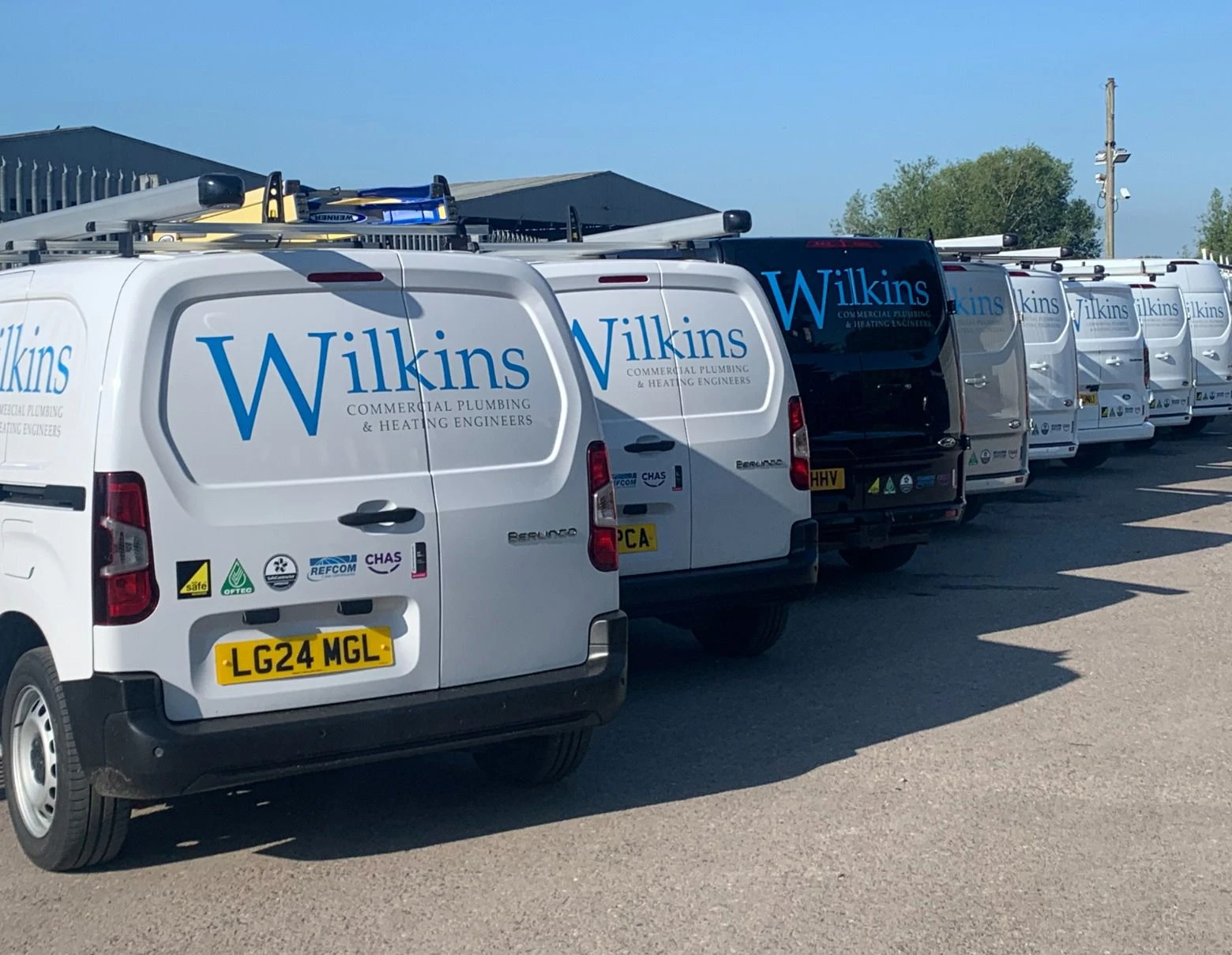
At Wilkins Plumbing & Heating, every installation begins with understanding the building rather than selecting a product.
We assess how the space is used, identify where unwanted heat is entering the building and consider whether improvements to shading or ventilation could reduce the cooling requirement before recommending a mechanical solution.
Where air conditioning is the most appropriate option, systems are carefully selected and sized to suit the building and the way it is occupied. Whether installing a discreet wall-mounted unit for a bedroom, a multi-room system for a family home or a larger solution for an office, retail premises or commercial building, the aim is always the same: to provide reliable comfort, efficient operation and long-term performance.
Because many modern systems also provide heating, they can become a year-round part of a property's comfort strategy rather than simply a solution for the hottest days of summer.
Current HMRC guidance provides temporary VAT relief for certain qualifying energy-saving installations, including some air-source heat pump systems. Eligibility depends on the type of installation and property, and not all air conditioning systems qualify.
Customers should always seek confirmation of the applicable VAT treatment before proceeding with any installation, as legislation and eligibility can change.
Demand for cooling solutions often rises rapidly during prolonged periods of hot weather. Planning improvements during autumn, winter or spring provides greater flexibility, allows passive improvements to be considered first and avoids peak-season demand.
The evidence presented throughout this guide suggests that the UK's climate is changing in ways that matter for the buildings we live and work in. It's not simply that average temperatures are increasing, but that periods of sustained hot weather are becoming more common, heatwaves are lasting longer and warmer nights are reducing a building's ability to cool naturally.
That doesn't mean every property needs air conditioning. Many homes and workplaces can be made significantly more comfortable through relatively simple measures such as improving shading, reducing solar gain and making better use of natural ventilation. Where those measures are no longer sufficient, professionally designed cooling systems can provide a practical, energy-efficient solution that supports comfort, wellbeing and productivity.
The key is to understand how each building performs. Every property is different, and the most effective approach is one that considers the building before selecting the most appropriate solution.
Good buildings have always adapted to the environment around them. As the UK's climate continues to evolve, thoughtful design, practical planning and sound engineering will become increasingly important in ensuring our homes, workplaces and public buildings remain comfortable, resilient and fit for the future.
Contact us
Get In Touch

Call us on
Leave your details. We will get back to you.









Get a quote
Get in touch with one of friendly team members today!
